

 Rwanda
Whole Family Initiative Rwanda (WFI Rwanda)
Keeping Girls in School: Gakenke District’s Guidelines for Pregnant Students and Adolescent Mothers
Through its advocacy work in Gakenke District, Whole Family Initiative Rwanda (WFI Rwanda) helped transform support for pregnant students and adolescent mothers from inconsistent practice into a formal district-wide framework…
Through its advocacy work in Gakenke District, Whole Family Initiative Rwanda (WFI Rwanda) helped transform support for pregnant students and adolescent mothers from inconsistent practice into a formal district-wide framework that protects their right to education. Working with district authorities, schools, health officials, and adolescent mothers themselves, the initiative led to the adoption and rollout of guidelines that prevent expulsion due to pregnancy, provide practical support for girls to continue or return to school, and promote a more coordinated response to teenage motherhood, ensuring that motherhood does not end a girl’s education or future opportunities.
An advocacy success story from Whole Life Initiative Rwanda with
support from the Scottish Government through the Women and Girls Fund
Project
Brief overview of the WGLO.
Whole Family Initiative Rwanda (WFI Rwanda) is a registered Rwandan
non-governmental organisation (NGO) established in 2019. Their mission
is to break the cycle of intergenerational poverty by promoting holistic
family well-being. WFI Rwanda is the first and only organisation in
Rwanda to apply the Two-Generation (2Gen approach), which addresses the
needs of both children and their parents simultaneously. By engaging
families in co-designing programs, we create integrated, equity-focused,
and sustainable solutions that strengthen households and communities
alike.
The advocacy issue that
was addressed
Pregnant students and adolescent mothers in Rwanda face barriers that
can end their education. The 2025 Rwanda Demographic and Health Survey
found that 8% of girls aged 15 to 19 had ever been pregnant, rising to
20% among 19-year-olds (NISR, 2025). Research in Rwanda links adolescent
pregnancy with school dropout, stigma, childcare responsibilities and
difficulty returning to school.
WFI Rwanda found similar problems in Gakenke District: stigma and
discrimination, limited childcare support, inflexible school
arrangements and learning gaps after childbirth. Rwanda has policies
that support girls' education, but they were not being translated into
practical support at school level.
The advocacy action
implemented
WFI Rwanda in collaboration with Gakenke District undertook the
following activities:
- Documenting the barriers faced by pregnant students and
adolescent mothers; - Reviewing existing policies and practices;
- Consulting schools and local authorities; and
- Advocating for practical measures to support continued
education. - WFI Rwanda and the district then developed the Guidelines
together. Those involved included: District leadership (the Mayor and
the vice mayor in charge of social affairs), the District Education
Director and Education Officers, Sector Education Inspectors, school
leaders and teachers, the District health promotion officer, community
health workers, JADF and the National Women's Council. Their involvement
built ownership of the Guidelines and strengthened coordination for
putting them into practice.
Role
of women and girls in shaping and leading the advocacy efforts.
Pregnant students and adolescent mothers shared their experiences and
the barriers they faced in accessing health services and continuing
their education. The National Women's Council and the district Gender
and Family Promotion Officer were consulted throughout. Their insights
shaped the practical measures in the Guidelines.
The changes that have
happened
The district moved from ad hoc, discretionary treatment to a formal,
written framework that schools are expected to follow. The Guidelines
state that a girl must never be expelled because of pregnancy or
childbirth and that she must be supported to continue or resume her
education once medically able. They turn this principle into specific
practices:
- A designated focal teacher to support affected learners;
- Counselling and stronger communication between school and
family; - Remedial lessons to help girls catch up on missed
teaching; - Flexible attendance;
- Breastfeeding breaks and suitable spaces for them; and
- Coordination with local health workers to support learners and
their children.
On 28 May 2026, Gakenke District issued a directive sending the
Guidelines to the Executive Secretaries of all sectors, instructing them
to share them with every school and with all stakeholders working to
promote girls' education. Hard copies went to the eight targeted schools
in Gashenyi Sector, and soft copies reached every other school in the
district.
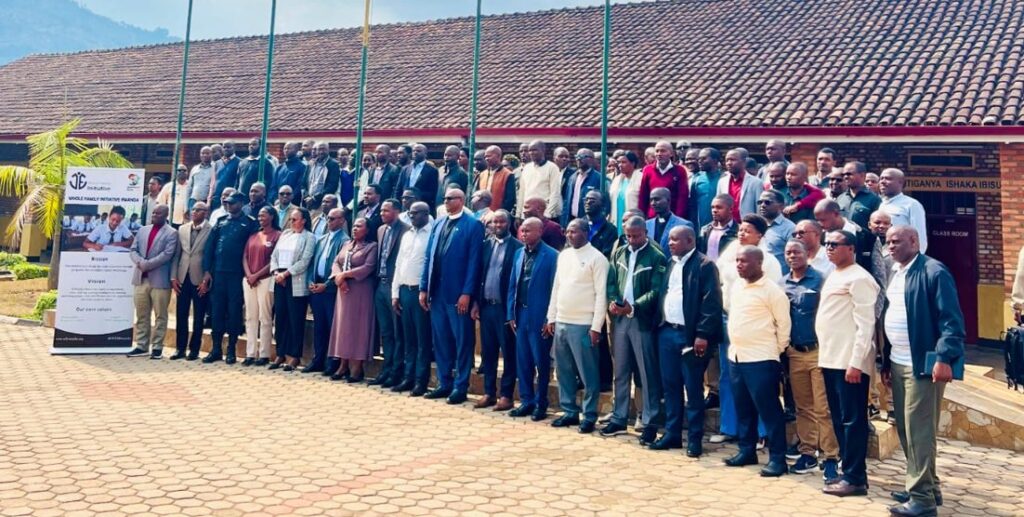
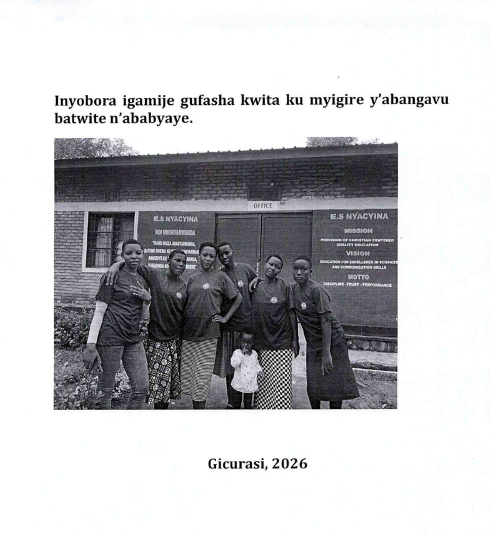
Group photo with the Mayor of Gakenke District, school leaders, stakeholders and local leaders during orientation meeting on the guidelines for supporting pregnant students and adolescent mothers
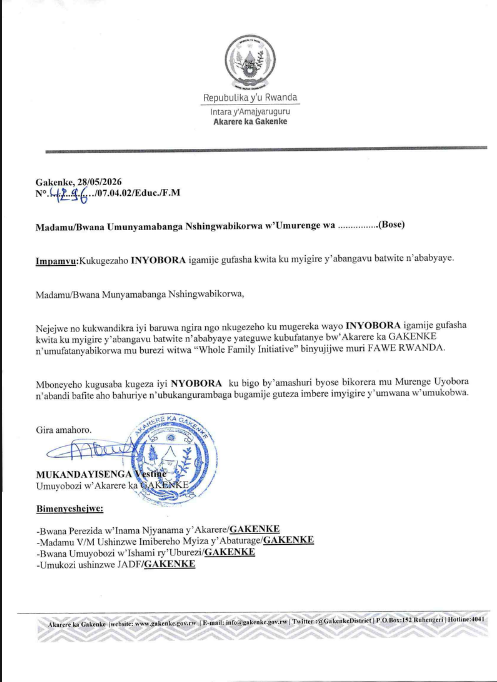
The Directive and the Guidelines
Before the wider roll-out, WFI Rwanda piloted the Guidelines at GS
Nyacyina. A monitoring survey found that: a focal teacher is in place;
the school has provided a dedicated breastfeeding and childcare room;
and a teen mother beneficiary rated all eighteen measures of school
safety, respect and support at the highest level.
For girls, this means protection against expulsion, a named teacher
responsible for their support, structured routes back into learning
after childbirth (including remedial catch-up, even where normal
eligibility rules would exclude them), practical accommodations that
make attendance possible while parenting, and a better-coordinated
network of school, family and health support.
The experience of Emeline shows what this looks like for one girl:
someone who might have dropped out permanently is attending school every
day, breastfeeding her daughter in a space the school provided, and
catching up through a programme her school adapted to include her. Her
story is supported by her family, her teacher and her school leader. It
is early evidence, but a strong foundation for scaling the model across
Gashenyi Sector and Gakenke District.
In her own words
Umutoniwase Emeline, a teen mother at GS Nyacyina, described the
support she received.
On returning to school:
"My headteacher called my mother and asked her to send me back to
school."
On childcare and breastfeeding:
"The school gave me a room in the teachers' house where I could keep
my baby, Marie Claire. My teacher taught me how to express breast milk,
so that I could leave the baby with a babysitter, with milk stored in
the teacher's room. The school also provided food for the babysitter. In
the evening, I take my baby home."
On catching up academically:
"The headteacher registered me in the weekend remedial programme,
even though it is normally only for students who scored below 50%. The
school recognised that I had missed classes and needed to catch up, so
they included me in the weekend sessions. This helped me so much."
Why it matters
This change goes beyond helping individual girls. It changes how a
whole district responds to teenage pregnancy in schools.
- One standard for every school. Support no longer
depends on which school a girl attends or who leads it. The Guidelines
set out what schools, teachers, health workers, families and local
leaders must each do. - Built-in follow-up. Schools report monthly to
the Sector Education Inspector. The District Education Director reviews
the reports every quarter and works with the Mayor and partners to
decide what to improve, so the district can track progress and fix
problems rather than simply issuing a policy. - A path to scale. The GS Nyacyina pilot will
inform roll-out across Gashenyi Sector and give WFI Rwanda practical
evidence for advocating similar approaches in other schools and
districts. - A clear message to girls. Schools must work to
prevent teenage pregnancy, but a girl who becomes pregnant or gives
birth must not be punished or pushed out of school. Prevention remains
the priority, and support ensures that a girl who has become a mother is
not denied her future as well.
 Zambia
 National Women’s Lobby (ZNWL)
Strengthening Advocacy Through Participatory Funding: The Experience of The Zambia National Women’s Lobby
Through its project on women’s political participation, Zambia National Women’s Lobby (ZNWL) strengthened the leadership skills, confidence, and visibility of aspiring women leaders in Lusaka, Kabwe, and Mkushi. Training, advocacy,…
Through its project on women’s political participation, Zambia National Women’s Lobby (ZNWL) strengthened the leadership skills, confidence, and visibility of aspiring women leaders in Lusaka, Kabwe, and Mkushi. Training, advocacy, community dialogues, and engagement with political parties contributed to 15 women contesting the 2026 General Elections, with 8 successfully elected to local and national leadership positions, demonstrating the impact of investing in women’s political empowerment and inclusive governance.
Brief overview of the WGLO.
Zambia National Women’s Lobby (ZNWL) was formed in 1991 by a group of
women gender activists to support Zambian women and girls to proactively
take up leadership roles and actively participate in the development of
the nation through capacity building, policy advocacy and lobbying.
Advocacy issue being addressed.
Women's participation in politics in Zambia remains low at the
national, local, and community levels, despite constitutional provisions
and gender equity policies aimed at promoting inclusive governance. A
key driver of this gap is the limited technical and financial capacity
available to women who wish to contest for office: campaigns require
resources for mobilisation, registration, transport, and media
visibility that many aspiring female candidates struggle to raise, while
access to political mentorship, leadership training, and networks that
build campaign skills is also unevenly distributed in women's favour.
Compounding this is a persistent bias among the electorate, where
deep-rooted patriarchal attitudes and stereotypes about women's
suitability for leadership lead many citizens, including women
themselves, to be reluctant to vote for female candidates, favouring
male contenders even when women run on comparable platforms.
Advocacy action implemented
ZNWL implemented a project titled “Empowering Women for
Effective Participation in Political Processes at Local and National
Level” in Lusaka, Kabwe, and Mkushi Districts. The project
sought to increase the representation and meaningful participation of
women in leadership and decision-making by strengthening women’s
political capacity and promoting inclusive, gender-responsive
governance. The fund also worked to strengthen ZNWL’s advocacy capacity
and sustainability. Some of the activities undertaken include the
following:
- Thirty one (31) Zambia National Women’s Lobby (ZNWL) district
members were trained in advocacy, women’s political participation, and
stakeholder engagement, strengthening their capacity to effectively
engage political parties, government duty bearers, and community leaders
in advancing women’s leadership. - Eight (8) ZNWL staff members were equipped with advocacy skills
and techniques, which have enhanced the organisation’s ability to
champion gender equality, influence policy discussions, and promote the
effective participation of women in political and electoral
processes. - Twenty four (24) political party members drawn from six (6)
political parties were trained on gender mainstreaming, inclusion, and
the importance of promoting women’s participation within political party
structures. - Eighteen (18) political party leaders were engaged in dialogue
and capacity-building sessions aimed at strengthening commitment to
gender-responsive leadership structures and inclusive candidate adoption
processes. - Sixteen (16) male gatekeepers were mobilised and trained as
champions of change to advocate for and support women’s participation in
leadership and political processes at family, community, and
institutional levels. This has contributed to shifting attitudes and
strengthening male allyship for gender equality. - A total of 90 aspiring female leaders from Lusaka, Kabwe and
Mkushi were trained in leadership, resource mobilisation, community
engagement, effective participation in leadership, and taking action
against Violence Against Women in Elections (VAWE). The training also
equipped participants with information on available reporting
mechanisms, including the toll-free number 933 under LifeLine/ChildLine
Zambia for reporting election related violence and abuse. Following the
training, 15 women contested in the 2026 General Elections, 3 as
independent candidates and 12 from political parties. Among them was a
woman with a disability who contested the Kabwata parliamentary seat as
an independent candidate and secured fourth position among 10
candidates. Overall, 8 of the 15 women (53%) were elected, comprising 1
Member of Parliament and 7 councillors: Lusaka: 1 councillor; Kabwe: 1
Member of Parliament and 3 councillors and Mkushi: 3 councilors. These
results demonstrate the transition of women from leadership training and
preparation to actual participation in electoral processes and
representation in local and national decision-making
structures.
Role of women and girls in shaping and leading the advocacy
efforts.
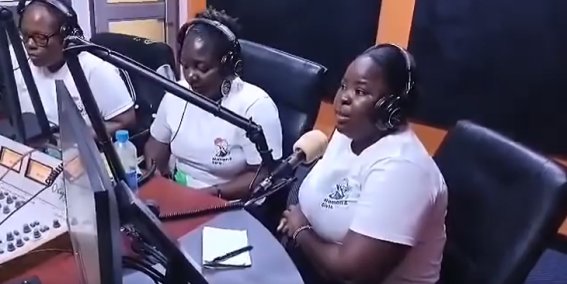
Women and girls played an active role in shaping and
leading advocacy efforts through participation in radio programmes and
public discussions on women’s political participation and leadership.
The radio programmes provided a platform for young female leaders who
contested in the 2026 General Elections to share their experiences,
challenges and perspectives on women’s participation in politics.
Participants included Mwenya Nyirenda, Priscilla Lungu, an
elected councillor for Mulungushi Ward, and Busiku Mpongo.
These platforms enabled women leaders to amplify their voices, engage
communities and advocate for increased participation of women and girls
in political leadership and decision-making.
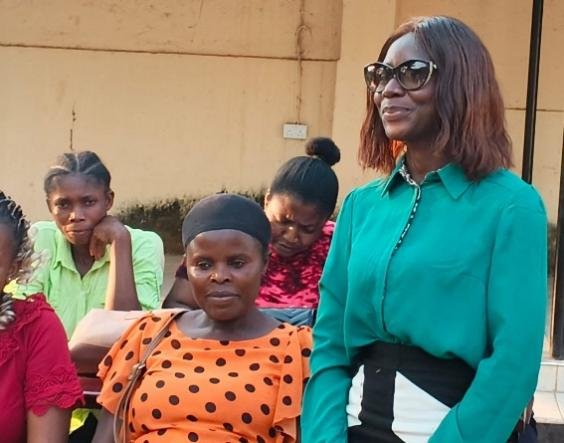
Community dialogue platforms were used to engage
women and men in discussions on the importance of supporting women’s
effective participation and leadership at community and decision-making
levels. These dialogues strengthened community awareness, encouraged
support for women leaders, and promoted inclusive participation in
leadership.
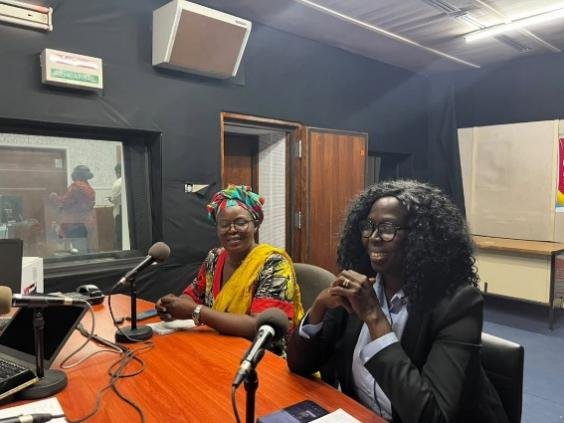
Inclusion of women with disabilities and female leaders
through radio programmes, featuring Moddy Nonde
Chisha (far right) and Euprishia Mbewe, a
woman with a disability and female leader. The programmes provided a
platform for them to share their experiences during the 2026 elections,
highlight barriers to women’s political participation, and advocate for
inclusive leadership and decision-making, while encouraging continued
action towards 2031.
Results and impact
As a direct outcome of the interventions,:
- 15 trained aspiring female leaders successfully
secured nominations to contest as Councillors and Members of
Parliament in the 2026 General Elections. From the 15, 8
trained female leaders were elected. - Notably, one woman with a disability was
nominated as an Independent Parliamentary Candidate for Kabwata
Constituency in Lusaka District, demonstrating the project's
contribution to breaking barriers to political participation for women
with disabilities. - Honourable Chrizoster Halwiindi Phiri (female MP, Kabwe) actively
engaged with the training; the only female councillor in Kabwe announced
her intention to contest for Mayor in 2026 elections. She contested as
Member of Parliament under Kabwe Central and she won. - Margaret Ngulube, elected Councillor for Tembwe Ward in Mkushi
District, faced an election petition following allegations of
involvement in violence against a male candidate who lost the election.
She was being initimidated for winning with false accusations. Trained
ZNWL district members, led by District Chairperson Gertrude Chikotolo
Banda, together with Sido Phiri , two other elected female councilors
and one male elected councilor, provided moral support and accompanied
her during the court proceedings. The court ultimately upheld her
election, demonstrating the importance of continued support and
solidarity for women in political leadership. On 29 September 2026,
Margaret Ngulube was declared the rightful winner following the court’s
decision to uphold her electoral victory. Her case provides an example
of how electoral disputes can be addressed through established legal and
judicial processes with support provided by the ZNWL Mkushi district
structure and some elected councilors.
Why does Scottish Government participatory funding
matters?
Increased ownership and leadership.
This participatory process strengthened ZNWL's sense of ownership
over the project, resulting in greater commitment, accountability, and
proactive implementation. It also empowered local district structures,
aspiring female leaders, and community stakeholders to play meaningful
roles in planning and implementation, fostering shared responsibility
for project outcomes. The approach further recognised ZNWL's expertise
and contextual knowledge, positioning the organisation as a key leader
and partner rather than merely an implementer of donor-driven
activities.
Greater flexibility to respond to opportunities and
challenges?
The participatory funding model created space for continuous dialogue
between the donor and ZNWL, enabling adaptive management throughout
project implementation. This flexibility allowed ZNWL to respond
effectively to emerging opportunities and challenges within the dynamic
electoral environment.
Furthermore, when challenges arose, including funding constraints
resulting from the appreciation of the Zambian Kwacha and the compressed
election timeline, ZNWL was able to engage with the donor to review
priorities and identify critical activities for implementation. This
adaptive approach ensured that resources were directed toward
high-impact interventions such as leadership training, community
dialogues, advocacy engagements, and support to nominated female
candidates.
Strengthened organisational capacity and
partnerships.
Eight ZNWL staff members were equipped with advocacy skills and
techniques, which have enhanced the organiation’s ability to champion
gender equality, influence policy discussions, and promote the effective
participation of women in political and electoral processes.
 Zambia
 National Women’s Lobby (ZNWL)
From Setback to Seat: Priscilla Lungu’s Journey to Local Leadership
Through support from Zambia National Women's Lobby (ZNWL) and the Women and Girls Fund, Priscilla Lungu transformed the lessons from an unsuccessful 2021 election campaign into a successful bid for…
Through support from Zambia National Women's Lobby (ZNWL) and the Women and Girls Fund, Priscilla Lungu transformed the lessons from an unsuccessful 2021 election campaign into a successful bid for public office, becoming the elected councillor for Mulungushi Ward in Lusaka District in 2026. By participating in public debates, radio programmes, and community dialogues, she strengthened her leadership skills, increased her visibility, and built stronger connections with residents. Today, she is using her position to promote community development, transparency, and women's leadership, while inspiring and mentoring other aspiring female leaders to pursue their political ambitions.
A success story of change from the Zambia National Women's Lobby
(ZNWL) supported by the Women and Girls Fund.
At a glance
Priscilla Lungu, 35, lost her first bid for a councillor seat in
2021. Five years later, after reflecting honestly on what held her back
and using the platforms opened to her through the Women and Girls Fund
project, she was elected councillor for Mulungushi Ward in Lusaka
District. She was the only woman in a field of five candidates. Today
she is using her position to stay close to residents, encourage other
aspiring women leaders and drive community initiatives, from market
clean-ups to support for girls' wellbeing
10th September 2026, Priscilla Lungu
sworn in as an elected Councillor at Lusaka City
Council, marking an important milestone in her leadership
journey.
Life before: a lesson
learned the hard way
Priscilla was born in Mandevu Constituency and was educated at
Olympia Secondary School. She went on to the University of Zambia, where
she earned a Degree in Education and later a Master's Degree. She has
taught and lectured at universities, but her ambition went beyond the
classroom. She wanted to support her community and play a part in
leadership and decision-making.
In the 2021 elections she contested the councillor seat under the
Patriotic Front (PF), but was not elected. Afterwards she took time for
honest reflection and identified three things that had worked against
her campaign: limited financial preparedness, too little interaction
with the community, and a need to explain more clearly her vision and
her reasons for seeking office. At that time she had limited confidence
in presenting herself and her leadership agenda, and few opportunities
to put her message in front of a wider audience.
She did not step away. She kept teaching and lecturing while
preparing for future leadership opportunities, and treated 2021 as a
lesson in the value of early preparation, community engagement,
communication and sustained contact with voters.
Engagement with the project
In March 2026, in the run-up to the General Elections, ZNWL
identified Priscilla as one of the female leaders to engage during the
pre-election period.
- June 2026: public debate. Priscilla took part in
public debate interactions facilitated by BBC Media, alongside
representatives of UPND, NDC and NRPUP and civil society. She spoke
about her experience of the nomination and adoption processes under
NRPUP and about lessons from 2021: the importance of financial
preparation, building leadership capacity and keeping up meaningful
engagement with the community. - July 2026: radio and community dialogue. Through
the Women and Girls Fund project, ZNWL gave her a radio platform to
present her manifesto and her vision for Mulungushi Ward. ZNWL also
supported a community awareness meeting in the ward, where she spoke
directly with community stakeholders about her leadership aspirations.
Stakeholders said they were willing to support female leadership and
stressed that engagement with citizens must continue beyond elections,
with transparency and accountability.
These opportunities let Priscilla communicate her priorities
publicly, meet residents face to face and raise her visibility as a
female leader.
The change experienced
Priscilla's journey moved from reflecting on her 2021 defeat to
applying those lessons in her 2026 campaign. With the platforms provided
through the Women and Girls Fund supported initiative, she strengthened
her public communication, engaged directly with residents and
stakeholders, and became better able to explain her priorities and
respond to community concerns.
In the 2026 General Elections, she contested the Mulungushi Ward
councillor seat in Lusaka District against four male candidates and was
the only woman on the ballot. She was elected councillor under the
National Reconciliation Party for Unity and Prosperity (NRPUP), with the
results verified and announced by the Electoral Commission of Zambia
(ECZ).
The change shows up in six areas:
- Confidence. Before: limited confidence
in presenting herself and her agenda after the 2021 defeat.
After: greater willingness to engage publicly and to
communicate her priorities on community and media platforms. - Knowledge and preparation. Before:
practical experience, but gaps in how to position herself before and
during an election. After: applied her lessons on early
preparation, financial planning, community engagement and a clear
leadership agenda. - Skills. Before: recognised that she
needed to improve how she communicated with the community.
After: took part in public debates, radio programmes and
community meetings, using them to share her manifesto. - Participation in decision-making.
Before: sought office in 2021 but was not elected.
After: elected councillor for Mulungushi Ward, with a direct
role in local decision-making. - Access to opportunities. Before: few
chances to share her agenda with a wider audience. After:
gained radio, debate and community dialogue platforms through ZNWL,
increasing her visibility. - Community engagement and accountability.
Before: saw too little community interaction as a weakness of
her 2021 campaign. After: engaged stakeholders before the
elections and committed to staying engaged beyond them, with
transparency and accountability.
In her own words
"As an elected councillor, I have the opportunity to utilise the
knowledge and skills I have built through opportunities provided by
organisations like the Zambia National Women's Lobby (ZNWL), together
with my leadership position, to remain engaged with residents of
Mulungushi Ward, respond to community priorities and promote
transparency and accountability in local governance."Priscilla Lungu, Elected Councillor, Mulungushi Ward, Lusaka
District
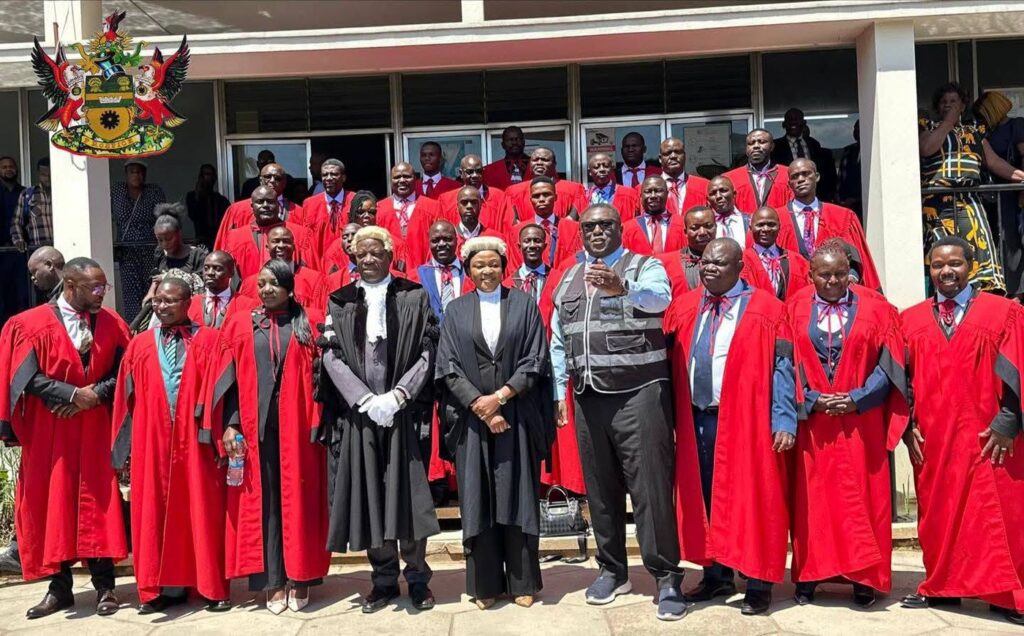
38 councilors (34 males and 4 females) in Lusaka district sworn in on
10th September 2026 following the August 2026 general
elections
The ripple effect
Priscilla's influence has continued beyond election day.
Encouraging other women. She remains in contact with
other aspiring female leaders and urges them to stay active despite
electoral setbacks. One example is Busiku Mpongo, a young woman from the
Socialist Party (SP) and a beneficiary of the Women and Girls Fund, who
contested in 2026 but was not elected. Priscilla continues to encourage
her, sharing her own experience as proof of the value of persistence and
learning from each election.
Staying close to residents. Through neighbourhood
meetings and community activities, she engages women, young people and
other residents, listens to their concerns and encourages them to take
part in local governance.
Practical community initiatives. Since her election
she has: supported market clean-up campaigns to promote cleanliness,
community responsibility and a healthier trading environment; engaged
key stakeholders on environmental sustainability and possible joint
responses to local environmental challenges; engaged selected schools on
menstrual hygiene and the issues affecting girls and young women.
A school initiative under way. Priscilla has chosen
Olympia Secondary School, her own former school, as the first site for a
planned tree-planting and sanitary-towel donation. To coordinate the
work she set up a WhatsApp group called "Tree Planting and Sanitary
Towels Donation." The activity is scheduled for 23 October 2026 and
combines environmental action with support for girls' menstrual
hygiene.
She is also increasingly involved in planning and delivering both
short- and long-term development initiatives, with community engagement
at the centre of how local priorities are identified and partnerships
are built.
Lessons and wider
significance
Priscilla's story is about more than winning a seat. It shows how a
setback can become the foundation for a stronger return, and it offers
practical lessons for other aspiring women leaders:
- Treat a defeat as a lesson. Honest reflection on
2021 gave her a clear list of what to change. - Prepare early. Financial planning, clear
communication of your vision and early contact with voters make a
difference. - Stay connected beyond elections. Her commitment
to listening to residents, transparency and accountability did not end
on polling day. - Platforms matter. Radio, public debates and
community dialogue gave her a way to be seen and heard by the people she
wanted to serve. - One woman's success can open doors for others.
By mentoring and encouraging women and young people, Priscilla is
turning her own change into wider participation in local governance and
community development.
 Zambia
Archie Hinchcliffe Disability Intervention (AHDI)
Strengthening Advocacy Through Participatory Funding: The Experience of Archie Hinchcliffe Disability Intervention
Through the EMPOWER project, Archie Hinchcliffe Disability Intervention (AHDI) empowered women and girls with disabilities in Mungule Ward to advocate for their rights and influence local decision-making. By combining advocacy…
Through the EMPOWER project, Archie Hinchcliffe Disability Intervention (AHDI) empowered women and girls with disabilities in Mungule Ward to advocate for their rights and influence local decision-making. By combining advocacy training, accessibility audits, and engagement with government and community leaders, the project helped secure a district-wide education directive on school accessibility, improved infrastructure in several schools, reduced stigma towards persons with disabilities, and strengthened the leadership and voice of women with disabilities as agents of change.
Brief overview of the WGLO.
Registered in Zambia as a Civil Society Organisation (CSO) in 2013,
Archie Hinchcliffe Disability Intervention (AHDI) works to address the
rights of children with disabilities such as education, health and
protection from all forms of abuse.
Advocacy issue being addressed
In Mungule Ward, Chibombo District, women and girls with disabilities
faced many linked problems that kept them from taking part in community
life. In schools, buildings were often hard for them to access, and the
lack of assistive devices and other support made it difficult for
children with disabilities especially girls to fully attend and
participate. Stigma in the community also meant some women and girls
with disabilities were kept hidden and left out of decisions that
affected them.
At the same time, women with disabilities and women's groups lacked
the chances, skills, and confidence needed to influence local government
and speak up for their rights. Key decision-making bodies, like the
Constituency Development Fund (CDF) and Health Centre Committees (HCC),
did not consistently consider gender or disability issues. So the
problem wasn't just missing services it was also that the people most
affected by exclusion had little voice, evidence, or influence to change
things.
The Advocacy Action implemented
AHDI implemented the EMPOWER project (Enhancing Meaningful
Participation and Opportunities for Women’s Equality and Rights) in
Mungule Ward, Chibombo District in the central province of Zambia.
The main activities included:
- Provided training for women-led Self-Help Groups (SHGs) and
Village Savings and Loan Associations (VSLAs) in advocacy. - With the Zambia Agency for Persons with Disabilities (ZAPD)
undertaking accessibility and social audits in five schools. carried out
an Accessibility and Social Audit in five schools in Mungule Ward,
Kapopo Primary, Katete Primary, Kayosha Secondary, Mutakwa Primary, and
Moomba Primary. The audits found specific physical and systemic barriers
affecting learners with disabilities and reached 133 people, including
61 people with disabilities. The evidence was then taken into quarterly
stakeholder review and dissemination meetings involving education and
health representatives, traditional leaders, civic leaders, school
heads, PTA members, HCC/CDF committee members and community groups. This
created a direct pathway from community evidence to advocacy to
government action. - Contributing to increased awareness of disability rights,
strengthening grassroots advocacy, improving stakeholder collaboration,
and enhancing the visibility and inclusion of previously hidden persons
with disabilities.
In all this, AHDI worked closely with government bodies and other
partners, including the Ministry of Education, the Zambia Agency for
Persons with Disabilities (ZAPD), traditional leaders, schools,
Parent-Teacher Associations, and local authorities. The Chibombo
District Commissioner consistently participated in the project meetings,
lending high-level government support and reinforcing the importance of
the project.
Role of women and girls in shaping and leading advocacy
efforts.
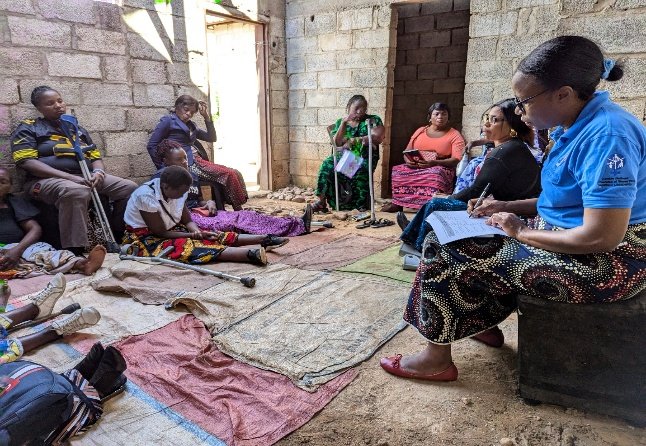
Grassroots Mobilisation and Social Auditing: Women
formed and operated localised structures such as the Accept Disability
and Chisomo advocacy groups alongside Village Savings and Lending
Associations (VSLAs) like Destiny. These groups acted as frontline
community monitors, conducting outreach campaigns that successfully
identified hidden individuals with disabilities and brought systemic
barriers to light.
Institutional and Governance Interfacing: Women-led
groups were accorded opportunities to engage with their leaders and
bridge the gap between marginalised populations and local duty-bearers.
They directly engaged traditional leadership, Parent-Teacher
Associations (PTAs), and civic actors to push for disability-responsive
allocations.
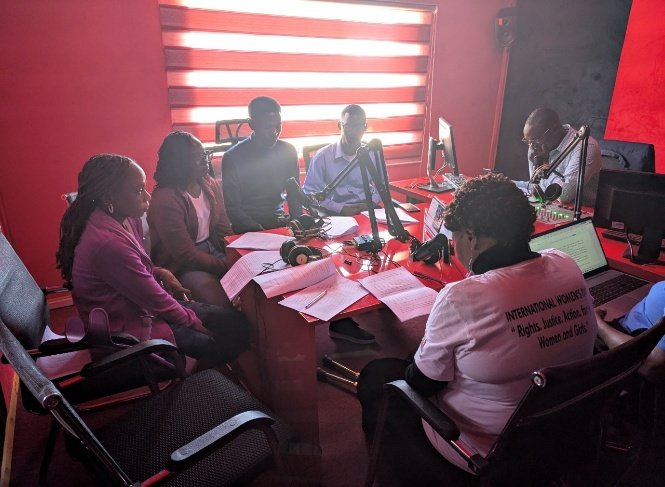
Public Policy and Media Advocacy: Female
beneficiaries stepped into public leadership roles by representing their
communities at high-level forums, including the public policy dialogue
and project close-out workshop at Kasanga Lodge. Furthermore, women
directly shaped public discourse by participating as core speakers on
programs hosted at the Chibombo Community Radio Station under the theme
of inclusive development.
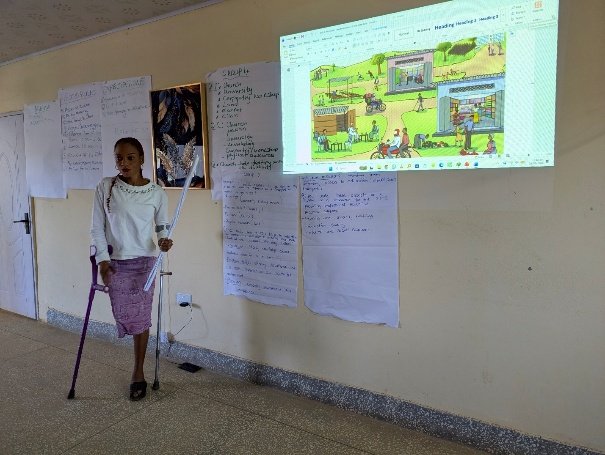
Intersection of Economic and Social Power: By
pairing economic resilience (such as managing savings groups with
independent financial discipline) with advocacy training, women built
the confidence required to challenge exclusionary gatekeeping within
community committees, effectively shifting their status from passive
beneficiaries to active rights-claimants.
Results and impact
The project reached 381 people overall: 217 females (26 girls and 191
women) and 164 males (35 boys and 129 men). The following are the
results recorded.
- Through advocacy and financial management training conducted in
October 2025, women with disabilities confidently engaged civic leaders
to demand equitable healthcare and vital economic opportunities within
society. They visited the Constituency Development Fund (CDF)
Chairperson and the Member of Parliament, as well as traditional leaders
in Kamaila zone. Furthermore, engagements with service providers such as
Mungule Mini Hospital were positive, with demonstrated willingness to
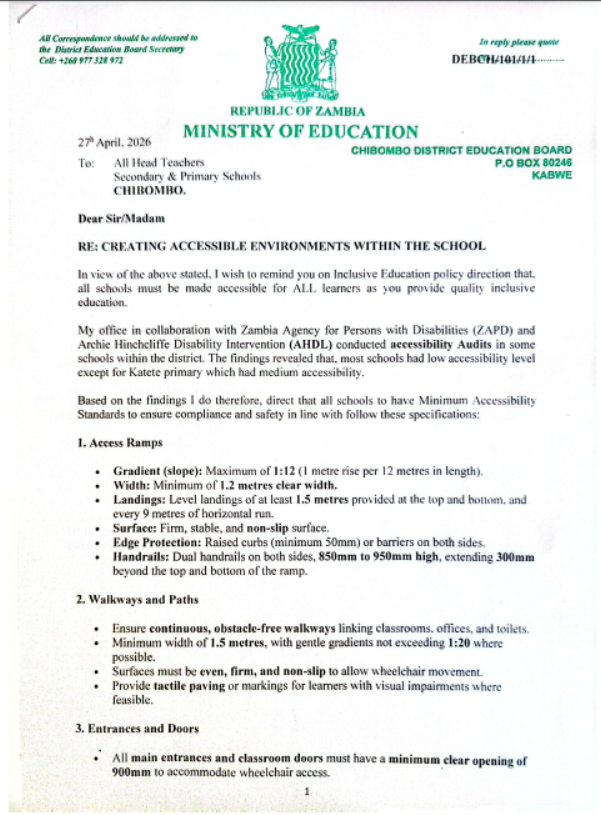
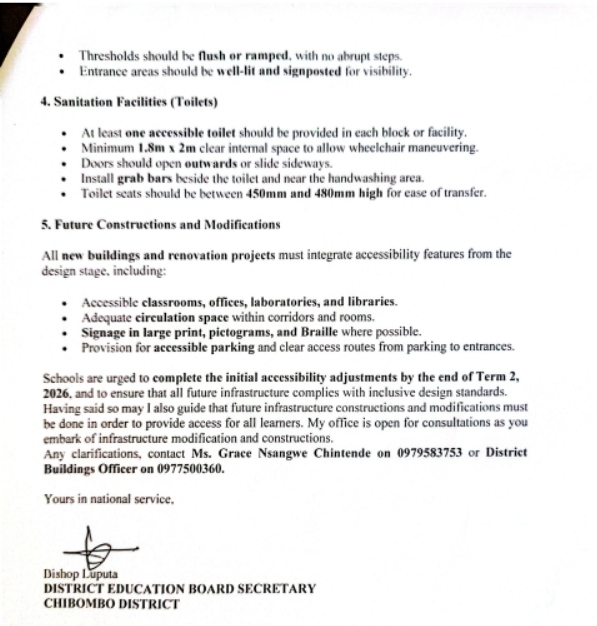
support inclusion initiatives. - At district level, the Ministry of Education in Chibombo issued a
formal directive on 27th April 2026, requiring primary and
secondary schools to implement minimum accessibility standards including
compliant ramps, widened entry doors, tactile paving and accessible
sanitation facilities by the end of Term 2, 2026.
- The project also generated evidence of changing practice on the
ground. By June 2026, Moomba Primary completed a new accessible 1x3
classroom block and Kapopo Primary constructed two accessible
ramps. - Through effective individual advocacy, the building plan for a
1-by-3 classroom block at Katete Primary school was successfully
modified to fully accommodate learners with disabilities, following
negotiation with the contractor. Changes secured included widening of
the doors and the designation of one ablution room specifically for
children with disabilities, made fully accessible. The contractor's
agreement to adjust the infrastructure design ensures the new classroom
block will meet essential accessibility standards, turning a standard
construction project into a lasting model of inclusive education for the
community. The headteacher personally supported seven children with
disabilities to obtain disability cards. - In Mutakwa, there is clear evidence that social norm
transformation is achievable. Following community sensitisation and the
use of the "Keep Clean" campaign platform to raise awareness on
disability, a visible reduction was recorded in harmful cultural myths
and practices, such as hiding children with disabilities in homes. As a
result, traditional leaders have begun enforcing local decrees against
the isolation of children with disabilities, specifically within the
Mutakwa and Kayosha catchment areas. - The project strengthened AHDI who finalised its Articles of
Association and a 2–3-year resource mobilisation plan was developed to
support longer-term organisational sustainability.
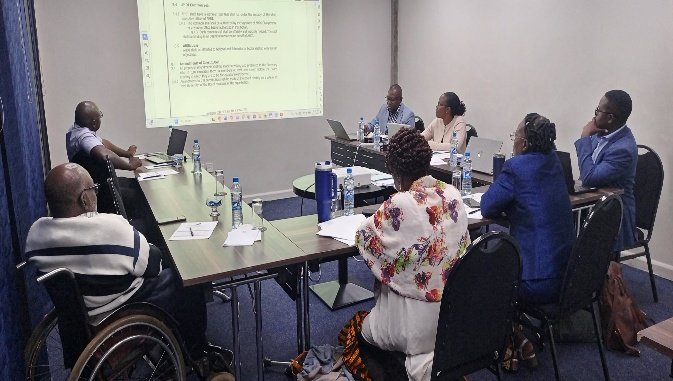
Archie Hinchcliffe Disability Intervention (AHDI) met on 11th
February 2026 to review the organisation’s Constitution and Articles of
Association. The review aimed to strengthen governance structures and
enhance oversight to ensure greater efficiency and effectiveness in
delivering the organisations mission
Why does Scottish Government funding matter?
The significance of Scottish Government funding is not only that it
enabled activities to take place. Its value lies in how the funding
enabled local organisations and communities to generate evidence, build
voice and convert that voice into institutional change. The flexibility
of the fund mattered because advocacy does not always follow a
predetermined project plan. When the accessibility audits exposed
specific barriers, AHDI used the evidence to adapt its advocacy and
engage decision-makers. This contributed to a formal Ministry of
Education directive and practical improvements in schools.
Scottish Government funding helped create more than short-term
project outputs. It supported local ownership, women's leadership,
evidence-based advocacy, community accountability and stronger
institutions. It gave women with disabilities the resources and
platforms to move from being people affected by decisions to people who
help shape those decisions.
“ The successful implementation of the EMPOWER project has
demonstrated what is possible when women with disabilities are not only
consulted, but trusted and supported to lead change. Through
participatory and flexible funding, women in Mungule Ward transformed
their lived experiences into evidence, their evidence into advocacy, and
their advocacy into tangible changes in schools, government policy and
community attitudes. We are particularly proud to have seen women move
from being recipients of services to confident rights-holders who engage
decision-makers and hold institutions accountable. The accessibility
improvements in schools, the Ministry of Education’s directive, and the
strengthened community advocacy structures are important milestones.
Despite being for a short duration, this project has shown that lasting
inclusion is achieved when communities know their rights, have a voice,
resources and platforms to shape the decisions that affect their
lives.”— Mrs. Violet Pikiti Sitwala, Executive Director,
AHDI
 Rwanda
Bold Women Rwanda (BWR)
Breaking the Silence: Teenage Mothers Leading Change in Ntarama Sector, Bugesera District, Eastern Province, Rwanda
Through its community-led advocacy project in Ntarama Sector, Bold Women Rwanda (BWR) empowered teenage mothers to break the silence around stigma, forced marriage, abuse, and exclusion by strengthening their knowledge…
Through its community-led advocacy project in Ntarama Sector, Bold Women Rwanda (BWR) empowered teenage mothers to break the silence around stigma, forced marriage, abuse, and exclusion by strengthening their knowledge of rights, leadership skills, and ability to advocate for change. Through research, community dialogues, storytelling, policy engagement, and leadership training, teenage mothers became active peer advocates, leading to stronger commitments from local leaders to improve protection and reporting mechanisms, increased awareness of Rwanda’s Family Law, and the creation of the Ubudasa Club, a peer-led platform promoting rights awareness, support, and economic empowerment for teenage mothers.
An advocacy success story from Bold Women Rwanda (BWR) with
support from the Scottish Government through the Women and Girls Fund
Project.
Brief overview of the WGLO.
BWR is an (NGO) that aims to celebrate, affirm, inspire and support
girls’ and women’s resilience and potential for social economic
transformation.
Advocacy issue being
addressed
Teenage mothers in Ntarama Sector face connected barriers: stigma,
family rejection, forced marriage, economic vulnerability, and little
awareness of their legal rights and the protection available to them.
These pressures left many young mothers isolated and unable to seek help
or report abuse. Fear, shame, social pressure and low trust in reporting
systems fed a culture of silence around violence and mistreatment. Some
teenage mothers reported being rejected by their families, pushed
towards unwanted marriages or suffering other forms of abuse.
The baseline survey undertaken also found that community
understanding of Rwanda's 2024 Family Law was limited, particularly
among parents, caregivers and some community leaders. This left a gap
between the protections the law provides and how well they were
understood and applied in communities.
The advocacy action
implemented
BWR used a community-led, participatory approach that combined
evidence generation, storytelling, community dialogue, leadership
development, self-advocacy, policy engagement, peer support and
continued work with local duty bearers. The process moved step by
step:
- 27 March 2026: baseline research. Research with
100 teenage mothers produced evidence on the social, economic and
protection challenges in their lives. - 24 April 2026: community awareness and dialogue.
Teenage mothers, community stakeholders and local leaders discussed
forced marriage, rights, protection and each group's responsibility to
prevent and respond to violations. The session built understanding of
the 2024 Family Law and challenged harmful social norms. - 16 May 2026: storytelling. Teenage mothers
shared their experiences of stigma, family rejection, pressure to marry
and resilience in a safe and supportive space. Their stories amplified
their voices and strengthened the evidence for further
advocacy. - 22 May 2026: policy roundtable. BWR convened 40
policymakers and local stakeholders to discuss the rights and protection
of teenage mothers and how to strengthen community-level action against
forced marriage. - 29 May 2026: duty-bearer follow-up. Duty bearers
reviewed their commitments, strengthened accountability and were
encouraged to keep acting to improve protection, reporting and response
for teenage mothers facing abuse. - 22 August 2026: leadership and capacity-building
workshop. 100 teenage mothers worked on leadership,
rights-based advocacy, communication, confidence-building and peer
support. The workshop encouraged them to see themselves as more than
rights holders needing protection: as people who can influence change,
support their peers and contribute to their communities.
The August activities also included two further sessions. A norms
transformation and equality session brought adolescents and teenage
mothers together to reflect on patriarchy, gender stereotypes, harmful
social expectations, discrimination and intersectionality, and to
consider how to help build more equal and supportive communities. A
community and governance visioning exercise let participants identify
local challenges and propose practical solutions, including stronger
community participation, fair and accountable public services, better
access to local leaders, support for vulnerable children and greater
accountability for the issues that contribute to teenage pregnancy.
The stakeholders and duty bearers involved included the local
government representatives, village and cell leaders, community
mediators, Friends of the Family (Inshuti z'Umuryango), Community
Assemblies (Inteko z'Abaturage), Parents' Evening Forums (Utugoroba
tw'Ababyeyi), parents and community members, policymakers, school
leaders and the teenage mothers themselves.
How the girls were involved
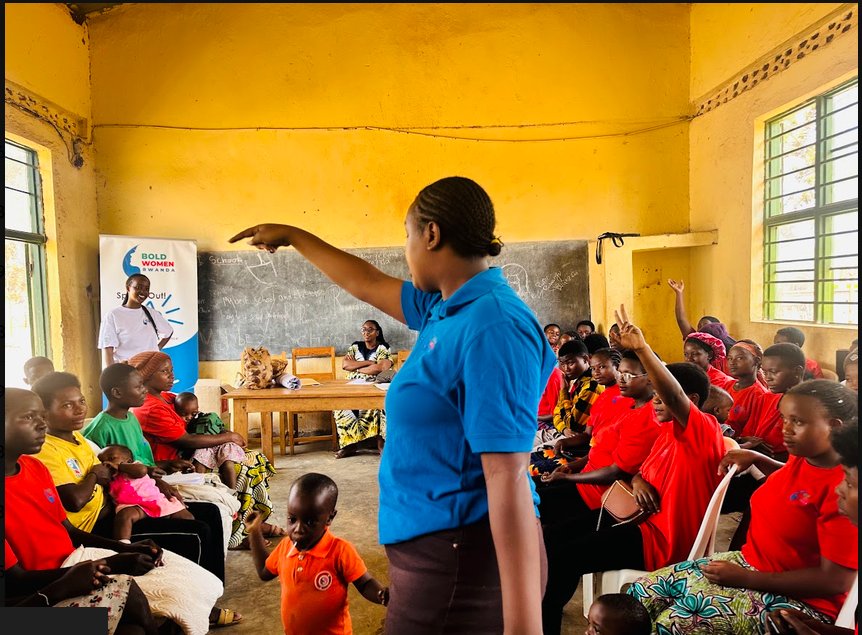
activities as rights holders, peer advocates, and contributors to
community change
They contributed to the baseline research, community dialogues,
storytelling, policy discussions and follow-up with duty bearers, and
were encouraged to join peer support and reporting discussions and to
engage with local protection structures. This kept the advocacy messages
grounded in the lived experience of the girls most affected by forced
marriage, stigma and family rejection.
The change that happened
- Teenage mothers started peer-support clubs.
The Ubudasa Club, a grassroots initiative led by a
teenage mother for other teenage mothers and adolescents. It combines
three things:
- Collective economic empowerment, including group saving and work
towards greater self-reliance; - Peer support; and
- Rights awareness, with members sharing information on the 2024
Family Law, sexual and reproductive health and rights (SRHR), prevention
of gender-based violence (GBV), and reporting and referral
mechanisms.
Those who learned through the project now pass that knowledge to
their peers, which reaches beyond direct participants into wider
communities and builds a more accessible, trusted channel for rights
information. The club extends the reach of the advocacy beyond direct
project participants and strengthens teenage mothers' role as peer
educators and advocates.
- The advocacy strengthened awareness, accountability and
commitment among local duty bearers to protect teenage mothers and
prevent forced marriage.
- Duty bearers took responsibility. Community
leaders became more willing to strengthen protection and reporting
mechanisms. At the follow-up engagement, duty bearers committed to
improve protection, strengthen reporting systems and support teenage
mothers who face abuse and other rights violations. - Leaders made written pledges. 40 leaders
completed pledge forms expressing their commitment and readiness to
support awareness and prevention of forced marriage in their
communities. - The Family Law is moving into community
platforms. Some leaders said they were ready to include
discussions of the 2024 Family Law in existing community platforms such
as Umuganda (community work), Community Assemblies and Parents' Evening
Forums.
Together, these changes show a shift in how the community sees these
issues. Forced marriage, abuse and mistreatment are less likely to be
treated as matters that can stay hidden within families, and there is
greater recognition of a community responsibility to speak up, report
violations and strengthen protection. At the same time, teenage mothers
are increasingly seen not only as rights holders who need protection,
but also as peer advocates who can contribute to awareness, prevention
and community-level support.
Voices from the story
"We used to stay silent, but now we understand the law and our
rights. We want to speak out for our rights, report and protect each
other."Letitia, a teenage mother
"A community that protects its children is a community that refuses
silence. Every case of abuse must be reported, not hidden, because
justice begins with speaking up."Isaac, Good Governance, Ntarama Sector
What this story shows
- Start with evidence and with the girls' own
voices. Research and storytelling put teenage mothers'
experiences at the centre and gave the later dialogue with leaders its
weight. - Move from awareness to accountability. Dialogue
led to a roundtable, then to commitments and written pledges from
leaders who are responsible for protection and reporting. - Treat teenage mothers as leaders, not only
beneficiaries. Training, a self-advocacy curriculum and the
Ubudasa Club have turned participants into peer educators who carry
rights information to others. - Link rights awareness to services. Connecting
self-advocacy with referral pathways, peer support and livelihoods gives
young mothers somewhere to go once they speak up. - Use existing community platforms. Leaders'
readiness to bring the Family Law into Umuganda, Community Assemblies
and Parents' Evening Forums offers a low-cost way to keep the message
alive.
 Rwanda
Whole Family Initiative Rwanda (WFI Rwanda)
A Second Chance: Henriette’s Return to School
Through the teen mothers’ education project, Whole Family Initiative Rwanda (WFI Rwanda) helped Henriette, a young mother who had been out of school for two years, return to education and…
Through the teen mothers’ education project, Whole Family Initiative Rwanda (WFI Rwanda) helped Henriette, a young mother who had been out of school for two years, return to education and regain confidence in her future. By engaging her family, local leaders, and school authorities through advocacy and awareness activities, the project secured the support she needed to re-enrol in school, strengthen her understanding of her rights, and pursue her education while caring for her child. Henriette’s journey has since inspired other young mothers in her community to believe that motherhood does not have to mean the end of their education.
A success story of change from the teen mothers' education
project, implemented by Whole Family Initiative Rwanda (WFI Rwanda) in
Gashenyi Sector with support from the Scottish Government through the
Women and Girls Fund Project.
At a glance
Henriette Umurerwanumubyeyi became pregnant at 17 while in Primary 6.
While pregnant, she still sat and passed her Primary National
Examination, but did not return to school afterwards. Her parents felt
she should stay at home and earn money, and for two years going back to
school seemed impossible. Then she was invited to an advocacy workshop
run with WFI Rwanda. Her parents came with her, the school agreed to
take her back, and she is now in Senior One at GS Rukura, with her
parents caring for her baby during school hours. Other young mothers now
come to her for advice on how to return to school.
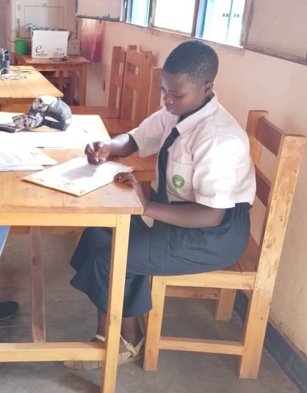
Henriette Umurerwanumubyeyi is now a S1 Student at GS Rukura in
Gashenyi sector after returning to school as a result of the advocacy
meetings she attended.
Life before: unsure of her
future
Before joining the project, Henriette was unsure about her future.
Even while pregnant, she kept studying and passed her Primary National
Examination. But after Primary 6 she did not go back to school. At first
her baby was too young for her to return. As the child grew, her parents
still did not want her to go back. They believed she should stay at home
and work to support herself and her child.
Henriette found this very hard. She wanted to continue her education
but had little support from those around her. She had low confidence,
felt hopeless about her own future and her child's, and had little
motivation to study. She had been out of school for about two years,
felt that returning was not possible, and felt isolated and unsupported,
with little information about the services available to her.
Engagement with the project
Henriette's involvement began in the first quarter through an
advocacy workshop held at the Gashenyi Sector headquarters. The Gashenyi
Sector Social Affairs office identified her as a project participant and
included her on the list of teen mothers invited to take part.
The meeting brought together teen mothers, their parents or
guardians, Cell leaders and Village leaders. Henriette and her parents
attended together. The sessions helped them understand why it matters to
support teen mothers to return to and continue their education, and gave
teen mothers and their families a space to share their experiences and
talk openly about what had kept the young mothers out of school.
Through these advocacy efforts, WFI Rwanda worked with local leaders
and families to find practical ways to support teen mothers like
Henriette. This engagement created the conditions for her parents to
support her return and for the school to accept her back, despite the
long gap in her schooling.
The change experienced
The biggest change is that Henriette is back in the classroom, and
that she was able to choose the school she wanted to attend. The change
shows up in five areas:
- Confidence and self-esteem. Before: low
confidence, hopelessness about her future and her child's, little
motivation to study. After: renewed confidence and hope for
herself and her child, and she now interacts with others more openly and
happily. - Knowledge of rights. Before: limited
knowledge of her rights and her child's, including her right to continue
her education. After: a better understanding of her rights and
her child's, and she knows where to seek support. - Skills in advocacy and communication.
Before: little knowledge of advocacy and uncomfortable speaking
to local leaders or asking for help. After: better informed
about how to communicate her needs, what support to ask for and whom to
approach. - Participation in decision-making.
Before: fearful and unwilling to express her views on decisions
about her education and her child. After: more comfortable
sharing her views and taking part in decisions that affect her and her
child. She decided to go to school and chose which school to
attend. - Access to services and opportunities.
Before: out of school for about two years, isolated and with
little information on available services. After: given a second
chance to return to school. Her parents care for her baby during school
hours, the school accepted her despite the two-year gap, she attends
classes regularly and is more confident in seeking services for herself
and her child.
In her own words
"I am extremely happy to be back at school, pursuing my studies in
Senior One after two years at home."Henriette
She added that returning to school will make a strong contribution to
a brighter future for both herself and her child.
The ripple effect
Henriette's return has encouraged her peers. When other young mothers
and students who dropped out see her back in her school uniform, they
come to her for advice on how to return to school. Her story shows them
that becoming a young mother does not have to be the end of their
education.
She is also active in school clubs at GS Rukura, including clubs that
teach students about HIV/AIDS prevention and the dangers of drug abuse.
Through these clubs she is gaining confidence and helping to make the
school a more supportive place for other students.
Lessons and wider
significance
Henriette's story shows that a young mother's return to school
depends on the people around her as much as on her own determination.
Several lessons stand out:
- Bring families and leaders into the
conversation. Her parents attended the advocacy sessions
alongside Cell and Village leaders, and that shared understanding led
them to support her return. - Local identification works. The Sector Social
Affairs office knew who the teen mothers were and made sure they were
invited. - Practical support makes the difference. Her
parents' help with childcare and the school's willingness to accept her
after a long gap turned an intention into daily attendance. - Knowing your rights builds confidence. Henriette
now understands her rights and her child's, knows where to find support
and speaks up about her own future. - One returning student inspires others. Young
mothers and students that dropped out of school come to her for advice
on how to go back to school, which shows how individual change can help
more young mothers return to education.
No stories match these filters.